
FX Platform for Cross-Border Payments
We built a fintech platform that helped the client move from fragmented currency operations to a controlled, system-driven infrastructure.


Client
A fintech company focused on FX operations and cross-border payments, serving both businesses and individual clients.
As the product and transaction volumes grew, FX operations were still handled through a set of disconnected processes.
Tasks like confirming incoming funds or handling non-standard scenarios required manual involvement. Exchange rates, bank accounts, and parts of the payment flow depended on external providers and partners.
This made operations difficult to scale and increased operational risk.
Challenges
The client needed to move from fragmented processes to a single platform with predictable behavior, clear operational control, and ability to evolve. In 2019, they approached us with this request.
During discovery, we realized this wasn’t about simply bringing everything into one interface.
It required building a complete flow, from receipt of funds through FX conversion to the final transfer or payout.
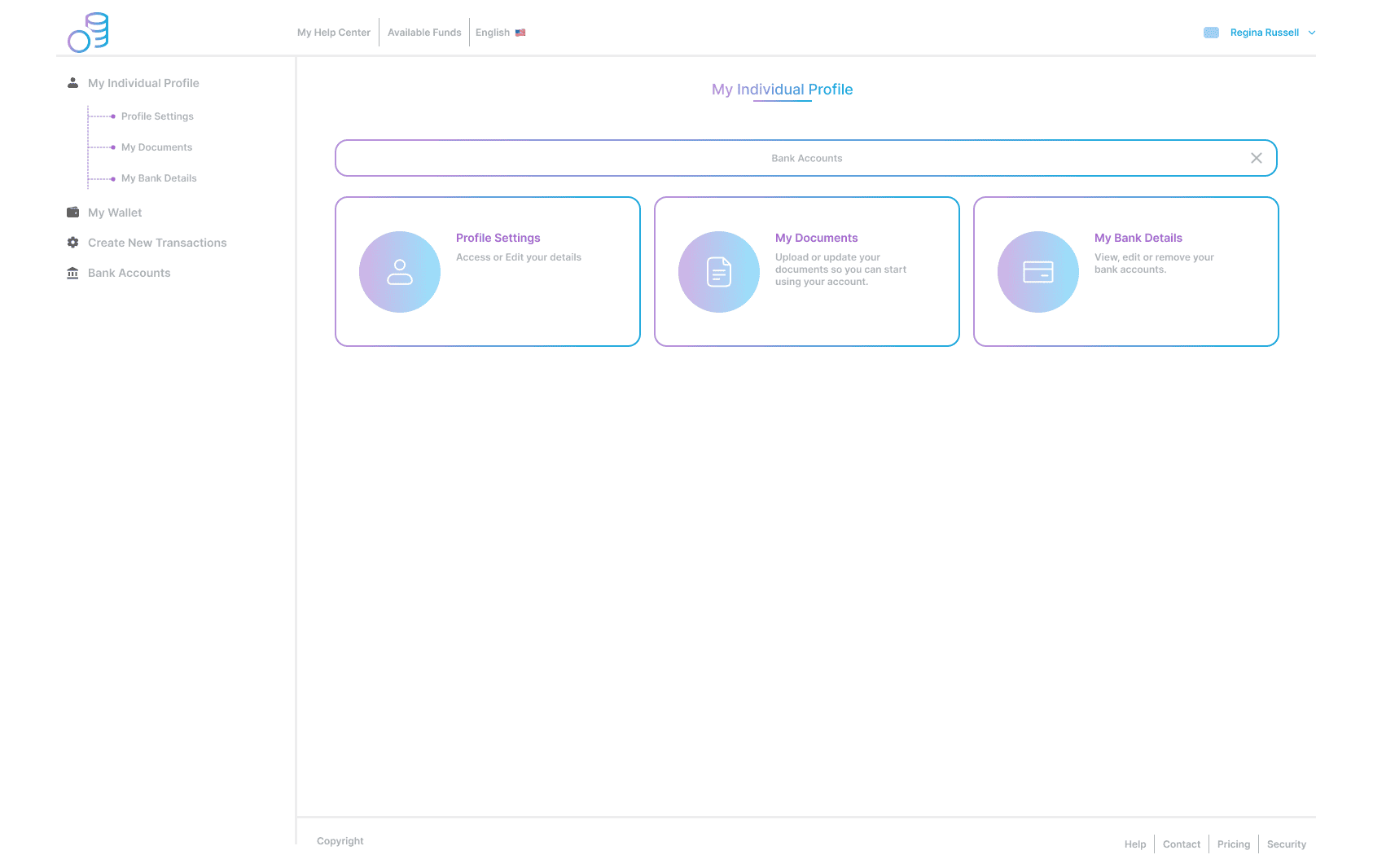
Consistent Operation Behavior
As volumes grew, operations needed to behave consistently regardless of the scenario, whether it was a one-off trade, a transfer between users, or a recurring FX flow.
In practice, this meant moving beyond automating individual steps.
The system required a single operational model with clearly defined states, transition rules, and control points.
Responsibility Boundaries
A separate challenge was defining clear responsibility boundaries between the platform and external providers.
Exchange rates, bank accounts, and parts of the payment flow remained outside the system. Execution happened externally, while responsibility for the outcome still had to be clearly defined.
The system needed to treat each operation as a final state, with that result captured and stored within the platform.
How the FX Platform Works
End-to-End Flow Instead of Disconnected Operations
We built a single flow for FX operations, from receipt of funds to final settlement.
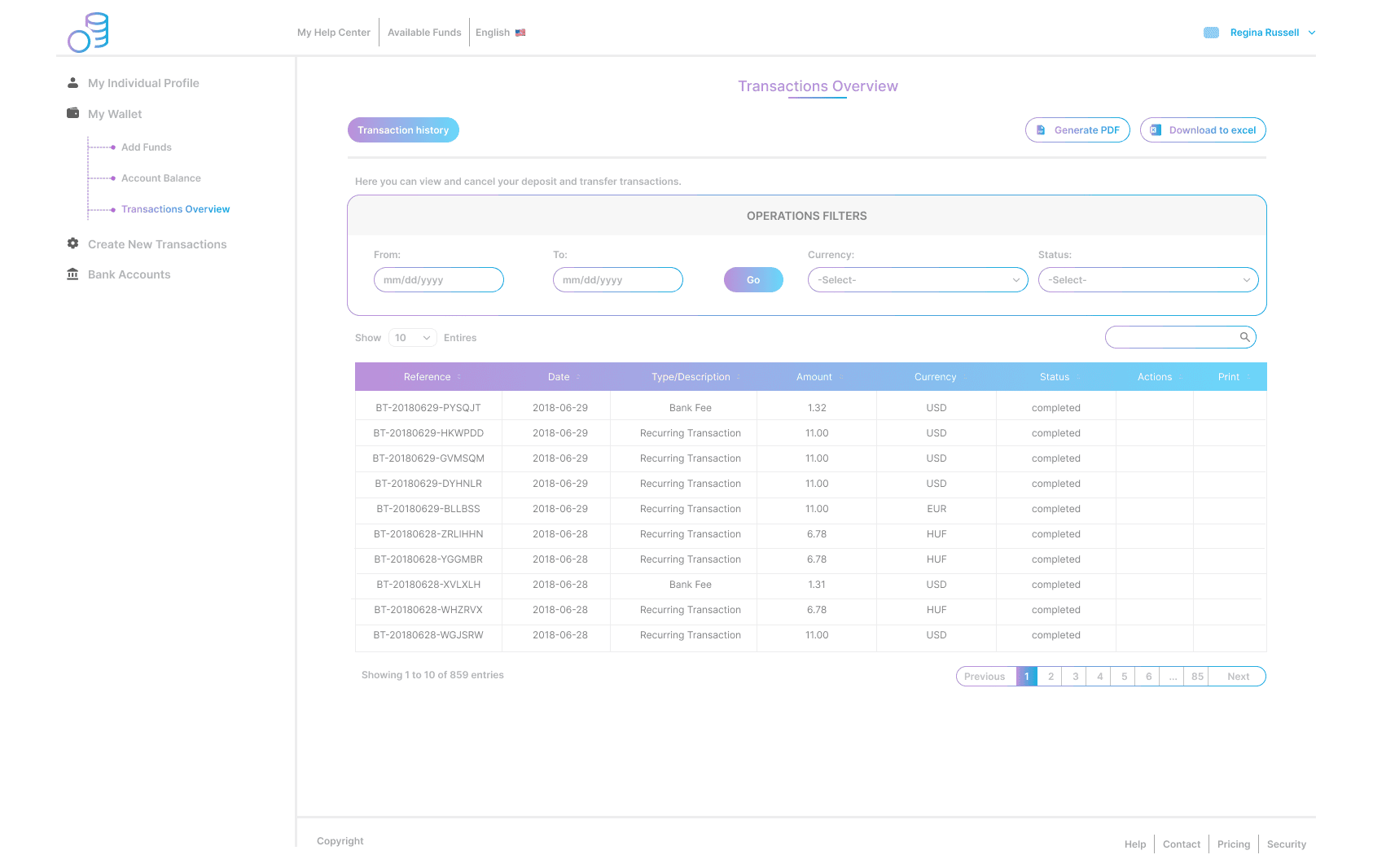
Each operation moves through a defined sequence of steps, making it possible to see its current state at any point and understand what actions are allowed.
Operational Control Without Manual Intervention
We defined the key control points of the FX lifecycle within the platform logic.
Operations move sequentially and, in typical scenarios, do not depend on the sequence of actions or manual intervention from individual operators.
Clear Responsibility with External Providers
External providers remain responsible for everything on their side. At the same time, we ensured that the final state of every operation is captured within the platform.
This gives the client control and direct visibility into what’s happening, including the ability to diagnose issues when something goes wrong.
Support for Multiple Scenarios Without Splitting Logic
Regardless of the scenario, whether it is a one-off operation, a transfer, or a recurring FX flow, the process remains the same.
We avoided duplicating logic and ensured predictable system behavior, even as transaction volume increases and new scenarios are introduced.
Built for Scaling and Further Development
We designed the platform architecture so new currencies, operation types, and external integrations can be added without changing existing flows.
Technologies

Backend
Java

Frontend
Angular

Database
PostgreSQL
Integrations
REST APIs
Infrastructure
Docker
Result
The client now operates on a fully automated platform where FX conversion, transfers, and payouts function as a single, unified process.
Operations follow consistent rules and no longer depend on the sequence of actions or manual handling by individual operators.
The client manages currency flows as a system rather than a set of isolated tasks. Teams can see the current state of each operation, track its progress, and work with it in one place without relying on manual reconciliation or auxiliary tools. This makes system behavior predictable and reduces dependence on individual employees, ad hoc decisions, and non-standard procedures.
The platform we built became the foundation for scaling and further evolution of the product. New FX scenarios, integrations, and services can be added on top of the existing logic without reworking core processes.
In practice, the platform acts as infrastructure the client can rely on as the product grows and the business model evolves, without reworking core processes.
This project was delivered under NDA. Visual materials have been adapted, but the workflows and system logic shown reflect the real platform.
FX processing.
operational workload for the client’s team.

What happens next:
Having received and processed your request, we will reach you shortly to detail your project needs.
After examining requirements, our analysts and developers devise a project proposal with the scope of works, team size, time and cost estimates.
We arrange a meeting with you to discuss the offer and come to an agreement.
We sign a contract and start working on your project as quickly as possible.