
CRM Integration & Automation
Synchronized the CRM with the marketplace, automated tax accounting, and freed up time for high-priority tasks.


Client
Precious Metals has been running a numismatic auction business for over 20 years. It started as a single offline store in California, then expanded to four. Over time, the company moved online to operate nationwide. As the number of customers grew, Precious Metals had to build its own software to automate internal business processes.
In 2018, the company decided to monetize this software by turning it into a standalone product and offering it alongside the core business. At that point, the client decided to replace the team that had previously worked on the product and found us on a hiring platform. Changing vendors is always a risk, and we understood their concerns. We suggested starting with a single task and continuing based on the results.


Challenges
We started with integrating the client’s software with the eBay marketplace to enable expansion into international markets. All products sold by Precious Metals, both offline and online, are managed within their internal system. Now, with our involvement, this setup would need to be extended to include eBay synchronization.
To be honest, we had no experience in collectibles. At first glance, it may look like a typical eCommerce project, the kind we’ve built dozens of times before. In reality, it’s not.
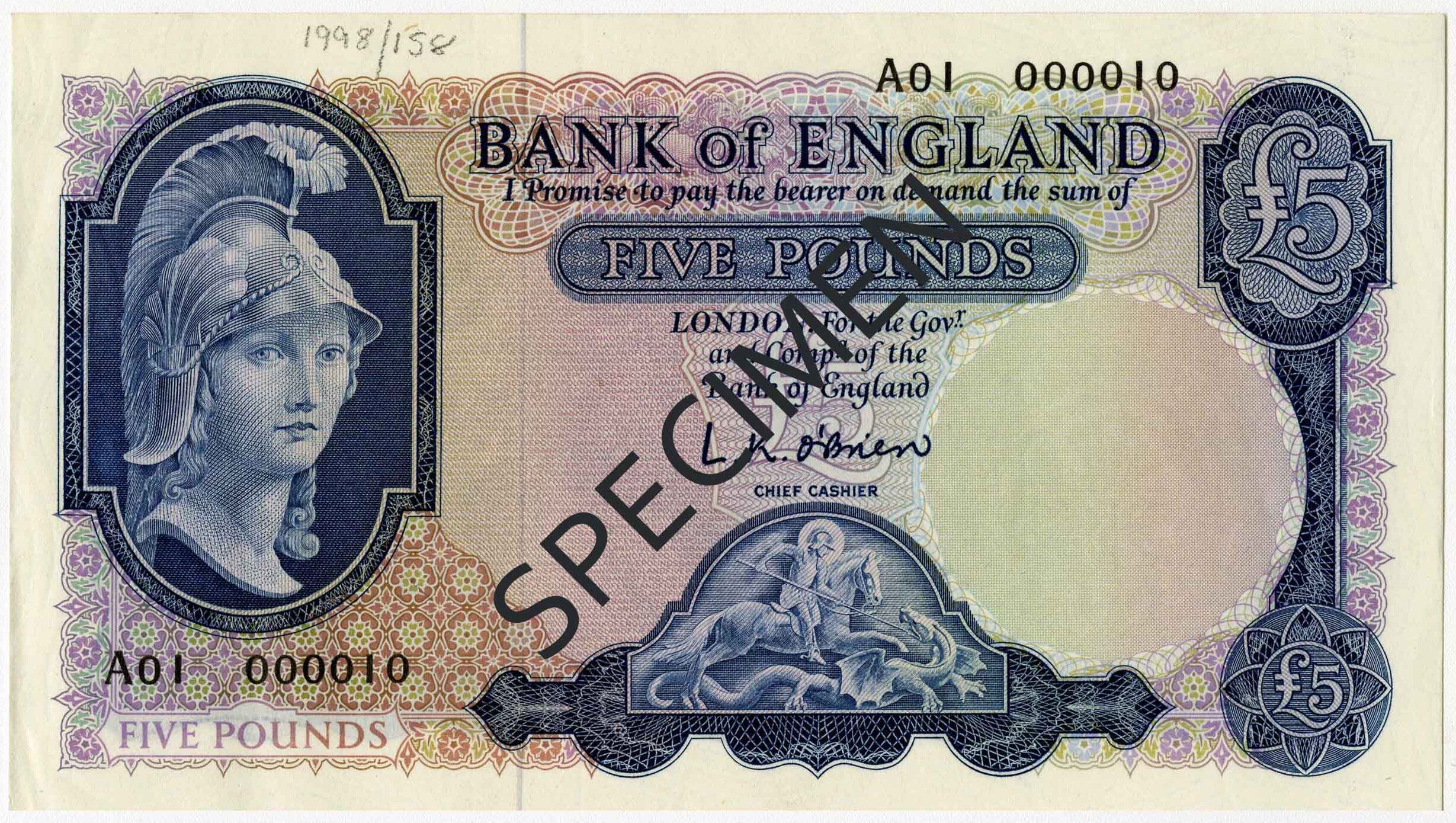
It required diving deep into the subject area: numismatics, notaphily (paper money collecting), gemology, and precious metals. It turned out to be an engaging domain.

1. Niche-Specific Complexity
At a high level, the client’s CRM system was similar to any other CRM. We had built similar systems before, but this time the task was more complex. It required developing custom API integrations that are not found in typical sales management systems.
2. Legacy Code
The database had been designed by a previous vendor. The project included a significant amount of legacy code due to both the niche and the software developed by that team.
In some cases, it’s easier and more cost-effective to start from scratch. But this was not one of them. In this case, legacy was not a dead end, but a challenge. We didn’t choose the tech stack, didn’t change the architecture, and didn’t do a full refactor. We worked with what was already in place as that was a condition set by Precious Metals.
We worked through the codebase, read it, and asked questions along the way. This was only possible because we established strong communication with the client.
We helped Precious Metals increase profitability through:
1. CRM Synchronization with eBay
The client no longer has to duplicate work: first handling data in eBay, then transferring and processing it internally, and then sending it back again.
After each transaction on eBay, data is automatically synchronized with the internal system. The client works within their own software, while order statuses and transaction data stay consistent between eBay and the client’s system.
2. Automation of Tax Accounting
The US tax system is complex in general and particularly challenging in this niche. We implemented an integration within the client’s CRM that reduced manual tax work to a minimum.
Now the process is automated: filing returns, validating reports and amounts payable, sending deadline reminders, and tracking outstanding balances.
3. API Design for Data Ingestion and Processing
To ensure stable performance, we combined several approaches: data streaming, compression, caching, and asynchronous processing. This allows Precious Metals to scale the business without compromising performance.
Result
Over several years of collaboration, we addressed a wide range of challenges, from eBay synchronization to making the system adaptable to different operational scenarios. The key growth driver for the client was solving the most complex, costly, and time-consuming business task: automating tax accounting.
The client freed up 75% of the time previously spent on manual report and tax filing preparation. This allowed Precious Metals to focus on more important priorities, such as scaling the business.
reduction in operational effort driven by automation and business process optimization.
increase in online sales enabled by a fast launch on eBay.


increase in average order value compared to previous years.

What happens next:
Having received and processed your request, we will reach you shortly to detail your project needs.
After examining requirements, our analysts and developers devise a project proposal with the scope of works, team size, time and cost estimates.
We arrange a meeting with you to discuss the offer and come to an agreement.
We sign a contract and start working on your project as quickly as possible.